

What a Loss Leader Pricing Strategy Actually Buys
Fun fact: Costco loses roughly $40 million every year on rotisserie chicken.
They sell 137 million birds annually at $4.99 each. The price hasn’t changed since 2009. Meanwhile, competitors charge $7 to $10 for the same product.
Costco’s CFO could end this “problem” with a single email.
But they won’t because it’s not a problem at all.
That chicken is one of the smartest marketing investments Costco makes. It pulls families back into the store week after week. And it reinforces their brand promise: we’re here to deliver value, no matter what.
The $4.99 rotisserie chicken helps Costco maintain a 92% renewal rate across 130 million members — one of the highest in retail.

Get Digital Tips & Tricks Delivered to Your Inbox

For additional context, membership fees represent more than half of Costco’s operating income. Renewals matter. Loyalty matters.
So Costco isn’t losing money. It’s buying loyalty. And in a downturn, loyalty is the most recession-proof currency there is.
“Price is what you pay. Value is what you get.” ~ Warren Buffett
What Your Loss Leader Pricing Strategy Is Really Buying
Strip away the MBA jargon, and most people define a loss leader the same way: a low price designed to hook new customers.
That’s half right at best.
Costco’s chicken isn’t dragging strangers through the door. It’s keeping existing members coming back. Week after week, year after year. It’s a relationship reinforcer disguised as poultry.
Think about it. That $4.99 price tag sends a message louder than any ad campaign: consistency builds trust. Customers notice when you hold the line, even when it costs you.
In tough markets, that proof matters more than ever because loyalty isn’t just something to talk about, it’s something you need to earn. A loyal customer base is the difference between surviving and thriving when everyone else is scrambling. A loss leader pricing strategy is one way to gain customer loyalty.
The Relationship Marketing Principles That Make Loss Leaders Print Money
A smart loss leader taps into the same five principles that drive relationship marketing.
“People do not buy goods and services. They buy relations, stories, and magic.” ~ Seth Godin
Here’s how the mechanics line up:
Relevance — Costco didn’t pick an obscure specialty item. They picked something families buy every week.
Trust over transaction — When you absorb a loss to keep a promise, customers notice. That $4.99 chicken says, “we mean it.”
Mutual value — The customer feels like they’re winning. And they are. But so are you, because they keep renewing and spending more on everything else.
Consistency — Repetition builds habit. Costco’s chicken has been $4.99 since 2009. Through inflation and supply-chain chaos, they held the line. Habit becomes loyalty..
Long-term focus — Discounts are transactional. They spike sales and fade. A loss leader is structural. It’s baked into the customer relationship. Relationships compound. Discounts don’t.
Costco doesn’t sell chicken. They sell trust by the pound. And trust is what keeps customers renewing memberships, filling carts, and bringing friends along for the ride.
Your loss leader isn’t an expense. It’s an insurance policy against customer churn.
How $200 per Quarter Buys $50,000: The Math You Need to See
Let’s talk numbers, because sentiment doesn’t pay the bills.
Smart marketers don’t budget for “marketing” as a vague line item. They budget for customer acquisition and retention using a profit-first framework called Allowable Cost per Order (ACPO). It answers one question: how much can I afford to spend to acquire or keep a customer and remain profitable over time?
A loss leader is just one pricing approach within a larger framework. Learn how pricing works alongside product, place, promotion, and three other critical elements in The Seven Marketing Ps Demystified.
“Wondering where pricing fits in your overall marketing strategy?”
A loss leader pricing strategy fits inside ACPO. It’s a planned investment, not a mistake.
Here’s how that plays out.
Say you run a professional services firm. You charge $25,000 annually per client. Your average client stays for three years, so their lifetime value is $75,000.
Now, let’s say you offer a quarterly “strategy refresh” session at a break-even price of $200.
You’re not making money on the session itself.
But if that $200 touchpoint keeps the client engaged and renews them for two extra years? That’s $50,000 in additional lifetime value, for $200 per quarter.
The math isn’t complicated. The execution is. Most businesses panic when they see a negative margin on paper. But ACPO forces you to look past the transaction and focus on the customer lifetime value instead of product margins. ACPO helps you step back and recognize what your loss leader actually buys.
Your loss leader isn’t draining resources. It’s protecting the revenue stream that matters most, the one that comes from loyal customers.
When Loss Leaders Fail (and Why Costco Didn’t)
Not every loss leader pricing strategy works. Sometimes the losses are just losses.
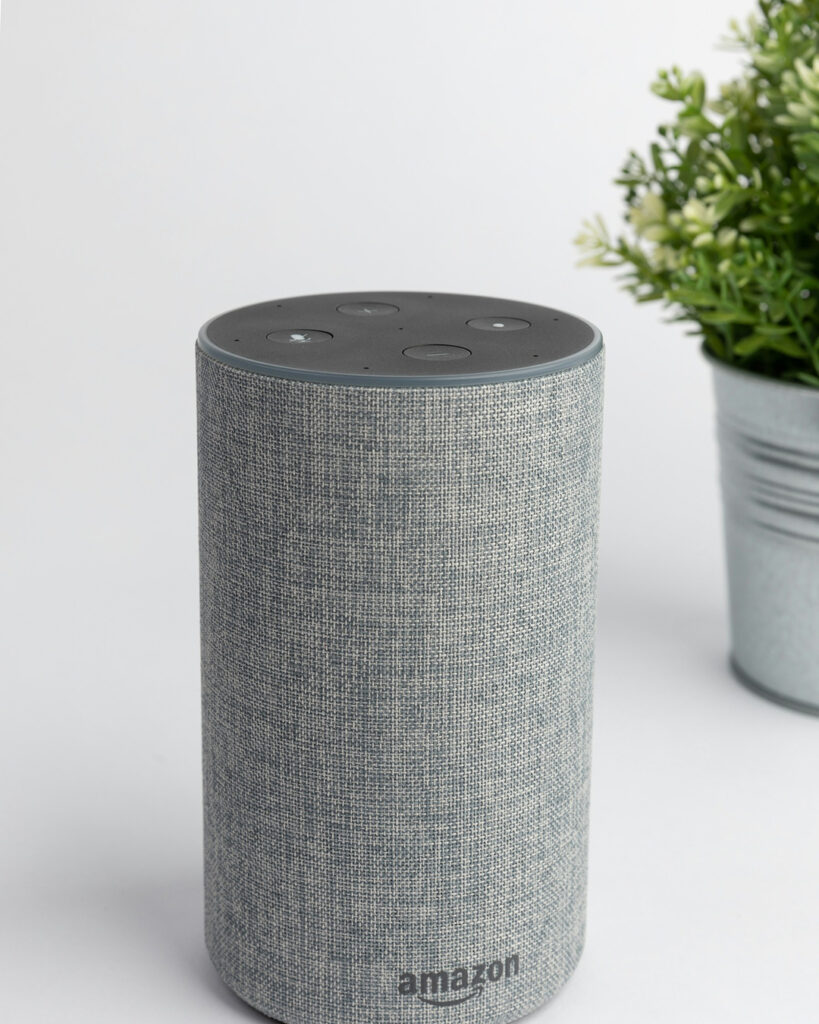
Between 2017 and 2021, Amazon lost more than $25 billion on its devices business, which includes Echo speakers and Alexa. The company sold Echo devices at rock-bottom prices, betting that customers would use Alexa to shop on Amazon by voice. The razor-and-blades model seemed perfect: lose money on the hardware, make it back on the shopping.
It didn’t work.
Customers used Echo mostly for free apps such as cooking timers, setting alarms, and checking the weather.
Why it Worked for Costco
Costco’s chicken reinforces an existing behavior. Families already shop for groceries weekly. The chicken keeps them coming back to do what they were already doing, at Costco instead of somewhere else.
Why it Didn’t Work for Amazon
Amazon bet on creating a new habit. Costco bet on reinforcing an old one. Only one of those bets pays.
“We worried we’ve hired 10,000 people and we’ve built a smart timer.” ~ former senior Amazon exec
The difference between Costco’s chicken and Amazon’s Echo comes down to one word: relevance.
This is why the relevance step matters so much. Your loss leader can’t manufacture demand. It has to meet an existing and recurring need. A loss leader without a natural pathway to revenue isn’t a strategy. It’s just expensive.
Five Steps to Your Own Loss Leader Pricing Strategy
You don’t need a $40 million budget to make this work. You need a framework.
Here’s a five-step approach you can apply to your business.
- Relevance — Your loss leader should reinforce your core offer, not distract from it. If you’re a marketing agency, don’t offer free logo design. Offer a low-cost reporting dashboard that keeps clients engaged with your core service.
- Trust — Deliver something with real perceived value. “Free” sounds like a trick. “Break-even pricing on something they actually need” sounds like a partnership.
- Habit — Give customers a reason to return regularly. The goal is repetition, not one-time redemption. The reporting dashboard facilitates monthly strategy meetings.
- Scale — Systematize it. If every delivery is custom, it’s not scalable.
- Pathway — Ensure there’s a clear path to higher-value engagement. The chicken keeps them coming through the door. The $300 grocery cart pays for the chicken. Your loss leader should naturally lead to the rest of your offering.
Let’s make it concrete.
An e-commerce business might offer free premium shipping for customers who’ve purchased three times in the past year. It costs them $8 per order, but it increases purchase frequency and prevents customers from drifting to competitors.
A course creator might host monthly office hours at no charge for alumni—keeping them engaged and creating natural opportunities for advanced course sales.
Your loss leader should feel generous without being reckless. It rewards and protects relationships. It doesn’t replace revenue.
“Do you know which customers have purchased three or more times in the past year?”
RFM analysis identifies your best customers based on recency, frequency, and monetary value, so you can target your loss leader where it matters most.
Measuring Success: The Metrics That Matter
Vanity metrics won’t tell you if this is working. Likes, impressions, and click-through rates are noise. Here’s what actually matters:
Customer lifetime value (CLV) — Does it rise after introducing your loss leader? If lifetime value increases, you’re seeing the ROI on your loss leader.
Retention rate — Are customers staying longer than they did before? A 5% improvement in retention can increase profits by 25% to 95%, according to research on the economics of customer loyalty.
Purchase frequency — Are they buying more often? Frequency is a key metric in RFM valuation.
Referral rate — Are loyal clients bringing in new business? When customers feel valued, they tell others. A highly relevant loss leader also gives happy customers something to talk about. That’s free marketing with the highest ROI you’ll ever see.
A loss leader is effective when it becomes a permanent fixture, rather than a promotional stunt. It becomes part of the customer’s ongoing habit. They don’t think about it anymore. They just expect it. And when you deliver consistently, they stay.
If your metrics show rising lifetime value, lower churn, and increasing referral rates, your loss leader isn’t costing you money. It’s printing it.
Why the Loss Leader Pricing Strategy Works in Every Economy
Let’s connect the dots.
During recessions, acquisition costs rise while retention costs drop. New customers get more expensive to find and harder to convince. They are nervous. Existing customers, especially your best ones, become your most reliable revenue source, which is why a loss leader pricing strategy is a force multiplier.
But there’s a second layer at work.
Your best customers, the 20% driving 80% of revenue, are heavy category users. Recession or not, they need what you’re selling. But they also know they’re valuable. They’re watching to see if you recognize it, too. A permanent loss leader pricing strategy sends that message without saying a word.
When Costco held that chicken at $4.99 through 15 years of inflation, supply chain chaos, and every excuse to raise prices, they were telling their best customers: we see you, we value you, and we’re not changing the deal when times get hard.
That’s investing in relationship equity in a transaction-based world. And relationship equity is recession-proof.
You don’t protect your business by cutting marketing. You protect it by investing in the customers who already believe in you. Loss leader pricing does this.
What Your Loss Leader Pricing Strategy is Actually Buying

In good times, a loss leader pricing strategy grows market share. It attracts attention, differentiates your brand, and pulls customers into your ecosystem.
In bad times, it preserves relationships. It keeps your best customers close, reduces churn, and stabilizes revenue when acquisition gets expensive.
In both scenarios, it compounds relationship equity, the one asset competitors can’t easily copy.
Costco’s $40 million loss on rotisserie chicken isn’t a mistake. It’s a moat. A competitor could match the price tomorrow, but not the 15 years of trust it represents. That’s the real moat.
Your business doesn’t need rotisserie chicken. But it does need something that signals to your customers: we’re here for you, even when it costs us.
Because when the market shifts, and it always does, the businesses that survive are the ones with customers who refuse to leave.
If you’d like to identify or refine your own loss leader pricing strategy, let’s map it together.
Related Posts
-
Why Your Marketing Isn’t Working
Discover how marketing momentum breaks the Sisyphean cycle and watch your business grow.
-
Why Marketing Breaks
The real problem marketers face isn’t too much activity; it’s too little connectivity.
Author: James Hipkin
Since 2010, James Hipkin has built his clients’ businesses with digital marketing. Today, James is passionate about websites and helping the rest of us understand online marketing. His customers value his jargon-free, common-sense approach. “James explains the ins and outs of digital marketing in ways that make sense.”
Use this link to book a meeting time with James.